Get Shrub Shaping
Shrub shaping services help property owners maintain healthy, attractive shrubs by trimming, pruning, and designing them to solve overgrowth and aesthetic issues.
Shrub shaping services provide a practical way for property owners to maintain attractive and well-organized outdoor spaces. Properly trimmed and shaped shrubs can enhance curb appeal, improve overall landscape health, and reduce the need for more extensive pruning later on. Whether for residential gardens, commercial properties, or public spaces, many property owners find that professional shrub shaping helps achieve a polished look while promoting healthy growth.
For those considering shrub shaping, exploring local contractors can offer a range of options tailored to specific landscape needs. Comparing different service providers allows property owners to find experienced professionals who can deliver the desired results efficiently and effectively. Continuing to read can help identify the right local experts capable of handling shrub shaping projects with attention to detail and quality.
- Hedge Trimming - when overgrown or unruly shrub hedges need shaping for a neat appearance.
- Topiary Shaping - for decorative shrub designs that require precise trimming and artistic shaping.
- Bush Pruning - to maintain shrub health and control growth in garden or landscape settings.
- Commercial Shrub Shaping - for businesses needing professional shrub maintenance around their properties.
- Seasonal Shrub Shaping - during specific times of year to prepare shrubs for growth cycles or aesthetic purposes.
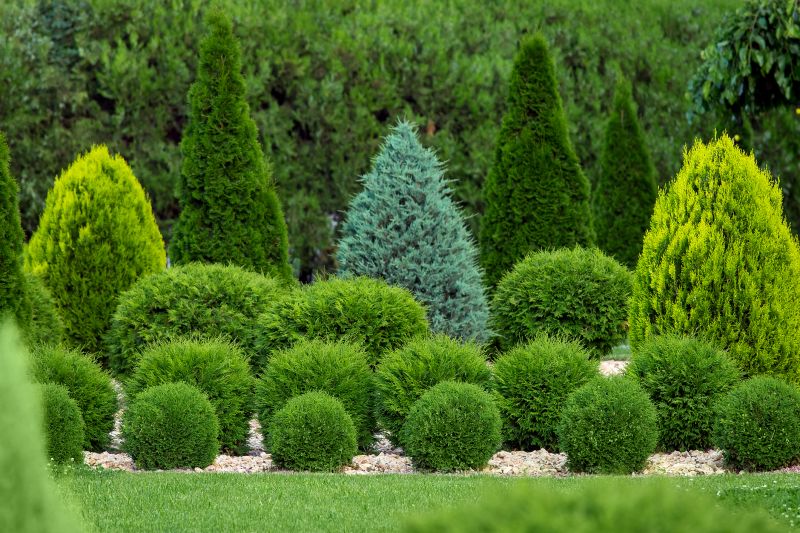
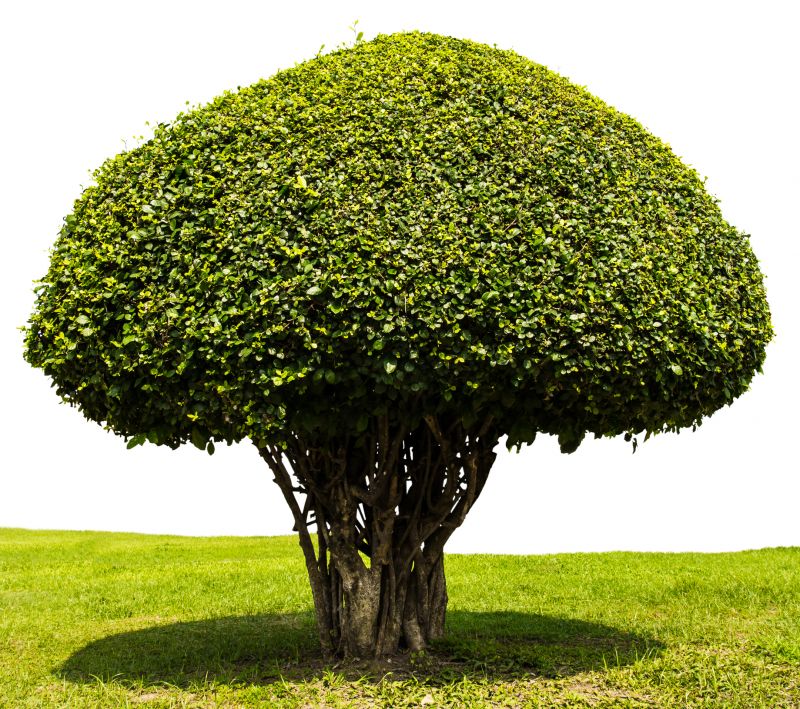

Shrub shaping services involve trimming, pruning, and contouring shrubs to enhance their appearance and health. This process typically includes removing overgrown branches, dead or diseased foliage, and shaping the shrubs into neat, attractive forms. Proper shrub shaping not only improves curb appeal but also promotes better growth and longevity for the plants. Service providers use specialized tools and techniques to ensure each shrub is carefully maintained, resulting in a tidy and well-kept landscape.
One common reason homeowners seek shrub shaping is to address overgrowth that can make a property look unkempt or crowded. Overgrown shrubs can block pathways, windows, or views, and may even cause damage if branches become too heavy or invasive. Regular shaping helps maintain a balanced and orderly appearance, preventing shrubs from becoming unruly or problematic. It can also help control the size of bushes that are encroaching on structures or neighboring plants, reducing the risk of damage and maintaining a safe, accessible outdoor space.
Shrub shaping services are suitable for a wide range of property types, including residential yards, apartment complexes, and commercial landscapes. Homeowners often use these services to keep front yards looking tidy and inviting, especially around entryways and walkways. Larger properties, such as estates or business parks, may require professional shaping to ensure their extensive shrubbery remains well-maintained and visually appealing. Regardless of property size, professional shrub shaping can help create a polished, organized look that enhances the overall landscape design.
Homeowners might consider shrub shaping when their current landscape looks overgrown or uneven, or if they want to prepare their yard for special occasions or seasonal changes. It’s also useful for addressing shrubs that have become misshapen or have lost their natural form due to weather or neglect. By working with experienced local contractors, property owners can ensure their shrubs are properly maintained, promoting healthy growth and achieving a neat, attractive appearance that complements their overall outdoor space.
The overview below groups typical Shrub Shaping projects into broad ranges so you can see how smaller, mid-sized, and larger jobs often compare in your area.
In many markets, a large share of routine jobs stays in the lower and middle ranges, while only a smaller percentage of projects moves into the highest bands when the work is more complex or site conditions are harder than average.
Small Shrub Shaping - Typical costs range from $50-$150 for routine trimming of individual shrubs. Many local contractors handle these smaller jobs regularly within this budget, depending on shrub size and number.
Medium-Sized Projects - Expect to pay between $200-$600 for shaping multiple shrubs or larger bushes. These projects are common and usually fall within this middle range, with some variations based on scope.
Larger or Complex Shaping - Larger, more detailed shrub shaping can range from $700-$1,500 or more. Fewer projects push into this higher tier, often involving extensive landscaping or intricate designs.
Full Shrub Replacement - Complete removal and replacement of shrubs typically costs $1,000-$5,000+, depending on the number and size of plants involved. These larger projects are less frequent and tend to be on the higher end of the scale.
Actual totals will depend on details like access to the work area, the scope of the project, and the materials selected, so use these as general starting points rather than exact figures.
Topiary Trimming - local contractors skilled in shaping and maintaining decorative topiary plants with precise trimming techniques.
Hedge Pruning - service providers experienced in shaping and maintaining hedges for aesthetic appeal and healthy growth.
Garden Design and Planning - local pros who plan and design garden layouts that incorporate shrub shaping for visual harmony.
Landscape Maintenance - professionals offering comprehensive shrub and plant care that includes shaping and pruning services.
Tree Pruning - specialists capable of shaping and maintaining trees to complement shrub and hedge designs.
Bush and Shrub Removal - service providers who handle the removal of overgrown or unwanted shrubs as part of landscape refinement.
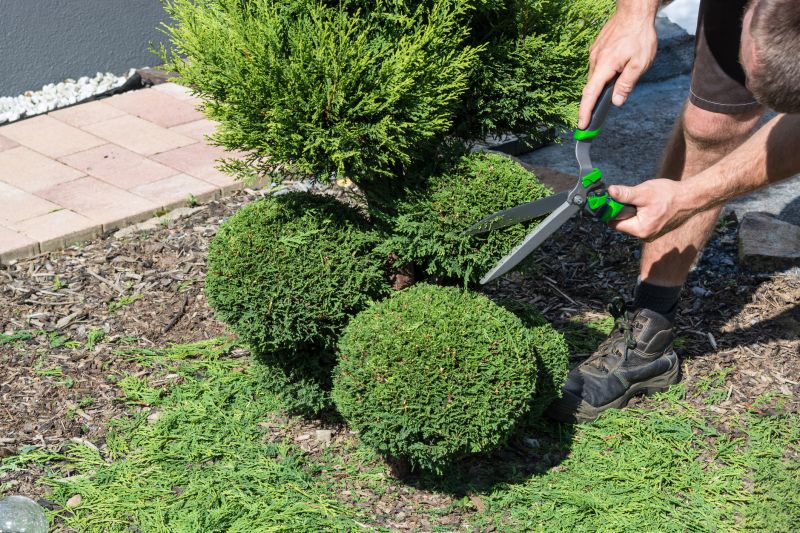
When comparing local contractors for shrub shaping services, it’s important to consider their experience with similar projects. Homeowners should look for service providers who have a track record of successfully handling shrub shaping tasks comparable in size and complexity to the work needed. This can help ensure that the contractor understands the nuances of shrub maintenance and can deliver results that meet expectations. Asking for details about past projects or examples of work can provide insight into their expertise and familiarity with different plant types and shaping techniques.
Clear, written expectations are essential when selecting a shrub shaping professional. Homeowners should seek providers who can articulate their process, the scope of work, and the materials or tools they plan to use in a detailed, written manner. Having this information in writing helps prevent misunderstandings and ensures that both parties are aligned on the project’s goals. It also provides a reference point should any questions or concerns arise during the course of the work.
Reputable references and good communication are key indicators of a dependable service provider. Homeowners are encouraged to ask for references from previous clients who had similar shrub shaping projects. Speaking with past customers can reveal insights into the contractor’s reliability, professionalism, and quality of work. Additionally, service providers who communicate clearly and promptly demonstrate a commitment to customer service and transparency. These qualities can help foster a positive working relationship and contribute to a successful project outcome.
Property owners use Shrub Shaping services for practical projects around their homes and businesses. This guide focuses on everyday jobs and straightforward project options.
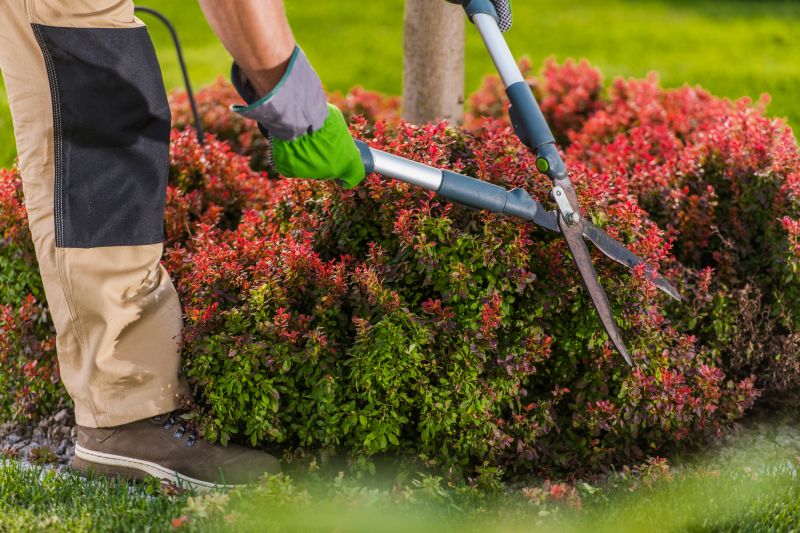
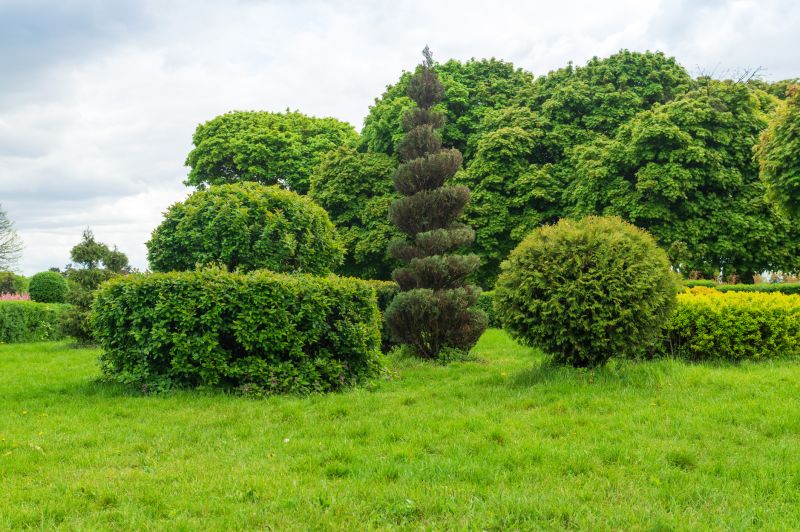
Shrub shaping is a common service requested by property owners looking to improve the appearance and health of their gardens. Whether maintaining a neat, tidy look or encouraging healthy growth, local contractors can assist with trimming and sculpting shrubs to suit the landscape's needs. Homeowners often seek these services after noticing overgrown bushes that block pathways, obscure views, or detract from curb appeal, making shrub shaping a practical solution for enhancing outdoor spaces.
In addition to aesthetic reasons, property owners may look for shrub shaping to promote plant vitality and prevent potential damage. Overgrown or misshapen shrubs can interfere with fences, walkways, or utility lines, creating safety concerns or accessibility issues. Local service providers can help maintain shrub health and appearance through regular shaping, ensuring the landscape remains orderly and well-kept for everyday use and seasonal updates.
What is shrub shaping? Shrub shaping is a gardening technique that involves trimming and sculpting shrubs to enhance their appearance and maintain their health.
What types of shrubs can be shaped? Many common shrubs such as boxwood, privet, and yew can be shaped to fit various aesthetic preferences and landscape designs.
Why should I consider shrub shaping? Shrub shaping can improve the visual appeal of a garden, promote healthy growth, and prevent overgrowth that can interfere with other plants or structures.
How do local service providers perform shrub shaping? Professionals typically use pruning tools and techniques suited to each shrub type to achieve desired shapes while maintaining plant health.
Can shrub shaping be customized for specific garden styles? Yes, experienced contractors can tailor shrub shaping to match formal, informal, or creative landscape designs based on individual preferences.
Hedge and Shrub Maintenance - Keep shrub borders neat and healthy by shaping overgrown or unruly plants to enhance curb appeal.
Seasonal Pruning - Prepare shrubs for different seasons by trimming for growth control and to promote vibrant foliage.
Privacy Screen Creation - Use shrub shaping to establish natural privacy barriers around patios or outdoor living areas.
Design and Accent Features - Add visual interest by sculpting shrubs into decorative forms or focal points in landscape layouts.
If you are thinking about Shrub Shaping for a property, this guide is meant to help you understand the work, the typical project types, and how different options might fit your plans.
When you are ready, you can use the quote form on this page to share a few details about your project. From there, local pros can review the basics and respond with options that match what you have in mind.